Blog
Import Dried Fruit from China in 2026: 7 Logistics Tips for Success

Table of Contents
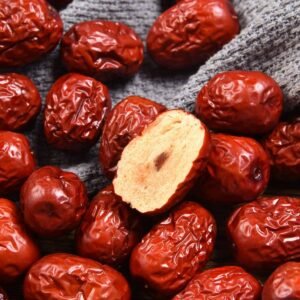
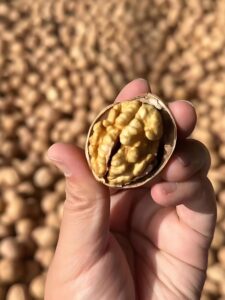
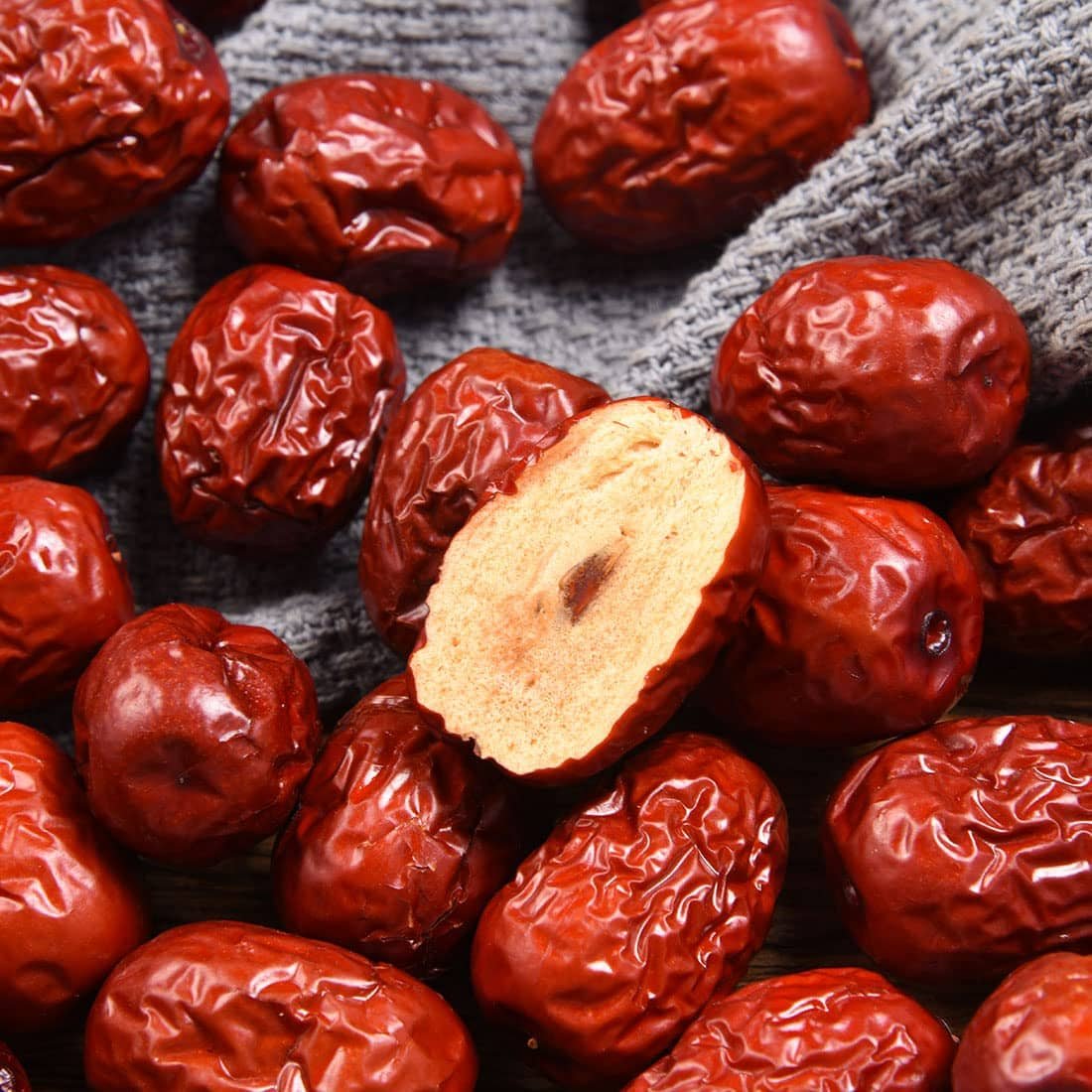
The global demand for clean-label, healthy snacks is experiencing unprecedented growth. As functional foods become mainstream, sourcing high-quality raw materials and finished goods has become a top priority for international brands. Among global sourcing hubs, China remains the powerhouse for premium dried fruits, particularly agricultural treasures like red dates (jujubes), walnuts, and raisins.
However, navigating the international supply chain can be challenging. For B2B buyers, distributors, and brand owners, understanding how to import dried fruit from China efficiently is the difference between a high-profit venture and a logistics nightmare.
This comprehensive sourcing guide explores the critical logistics phases, compliance requirements, and strategic supply chain solutions designed to lower your decision-making costs and streamline your import pipeline.
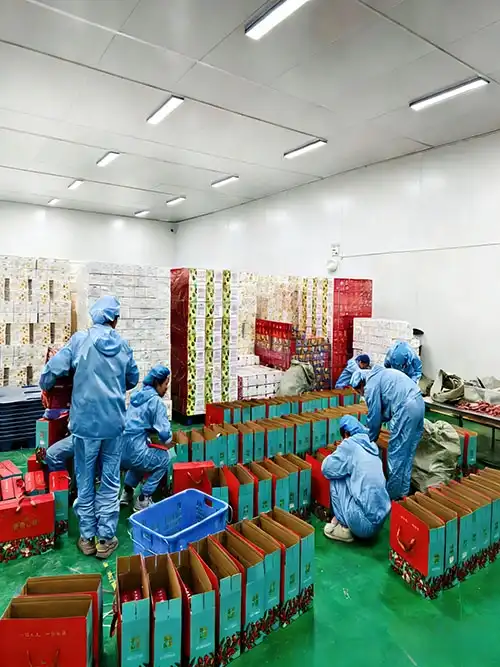
Navigating the Supply Chain: From Xinjiang Farms to Global Ports
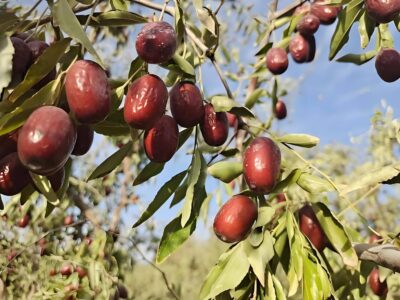
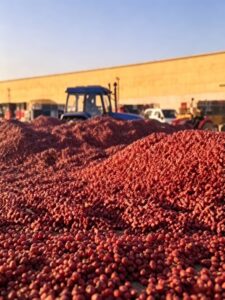
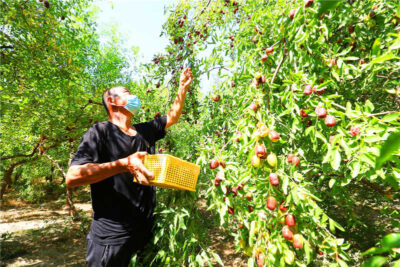
The logistics journey of premium Chinese dried fruit—especially red dates—originates far inland. Xinjiang’s unique terroir, characterized by extreme temperature fluctuations and abundant sunshine, produces the world’s finest jujubes, raisins, and walnuts.
To optimize this complex overland-to-maritime transition, professional sourcing requires a deeply integrated supply chain. Henan Zaoran International Trading Co., Ltd. (ZAORAN) solves this geographic challenge by anchoring its operations directly at the source. By leveraging our own dedicated red date origin factories and deep-to-the-field purchasing capabilities, we manage the domestic transit from farm gates to processing facilities before cargo ever reaches a seaport.
For international shipping, the primary maritime departure hubs for Chinese dried fruits include:
- Port of Qingdao: The primary gateway for agricultural products originating from Northern and Western China.
- Port of Tianjin: Ideal for North American and Northern Asian shipping lanes.
- Port of Shanghai: A major global hub offering the highest frequency of container vessel departures.
Import Dried Fruit from China: Key Logistics Challenges
Transporting agricultural commodities across borders requires strict adherence to environmental controls. Dried fruits are hygroscopic and temperature-sensitive, making them vulnerable to moisture absorption, mold, and pest infestation if managed incorrectly.
Temperature and Humidity Control: Dry Cargo vs. Reefer Containers
While completely dehydrated fruits can occasionally travel via standard dry containers (Dry Van), premium products like semi-dried jujubes, raw walnuts, and tender raisins often require climate-controlled environments.
- Standard Containers: Best suited for short-haul sea routes during cooler months or for deeply processed, vacuum-sealed products.
- Reefer Containers (Refrigerated): Highly recommended for trans-oceanic shipping or when navigating tropical regions. Maintaining a consistent temperature between 5°C to 10°C with relative humidity below 60% preserves the color, texture, and nutritional value of the fruit.
Protective Packaging Standards
To eliminate cargo damage during long-transit maritime shipping, packaging must serve as a barrier against environmental elements. Standard B2B shipping protocols require:
- Inner Layer: Food-grade polyethylene bags or nitrogen-flushed vacuum packaging to prevent oxidation.
- Outer Layer: Heavy-duty, double-walled corrugated master cartons that resist crushing under high stacking pressure inside the container.
- Palletization: ISPM-15 compliant fumigated or plastic pallets wrapped securely with stretch film to maximize forklift efficiency at destination ports.
Customs Compliance and Documentation Framework
Customs clearance is often the most significant bottleneck for businesses looking to import dried fruit from China. Food safety authorities globally maintain strict import protocols.
| Document Name | Purpose | Issuing Authority / Provider |
| Bill of Lading (B/L) | Title of goods and transport contract | Shipping Line / Freight Forwarder |
| Phytosanitary Certificate | Proves cargo is free from regulated pests | China Customs (GACC) |
| Certificate of Origin (COO) | Verifies product origin for tariff preferences | GACC or CCPIT |
| Certificate of Analysis (COA) | Confirms moisture content, pesticide limits, and microbial safety | Third-party lab (SGS/Eurofins) or Factory Lab |
Organic Certifications: The Premium Advantage
For brands targeting high-end consumer demographics, organic certification is non-negotiable. Securing a supply chain that meets international organic criteria can significantly slow down a brand’s time-to-market.
To bridge this gap, ZAORAN established a pivotal strategic partnership with a major Xinjiang state-owned enterprise in mid-2026. This collaboration injects verified compliance into our supply chain, providing access to raw materials backed by China, EU, and Japan organic certifications. This eliminates compliance risks, giving your brand immediate access to strictly regulated international health food markets.
Shipping Routes and Lead Times When You Import Dried Fruit from China
For brands operating within Asia, proximity offers a distinct advantage in terms of shipping lead times and freight costs. However, each regional corridor has specific logistical nuances.If you plan to import dried fruit from China, selecting an experienced ODM/OEM partner can significantly reduce operational complexity.
Vietnam
- Primary Ports: Haiphong (North), Ho Chi Minh City (South).
- Logistics Options: Sea freight (approx. 5–9 days) or cross-border overland trucking via Lang Son/Pingxiang (approx. 3–5 days). Trucking offers unparalleled agility for fast-moving consumer goods (FMCG) healthy snacks.
Korea
- Primary Ports: Busan, Incheon.
- Transit Time: 2–4 days from Northern Chinese ports like Qingdao. Korea enforces exceptionally strict maximum residue limits (MRLs) for agricultural imports, requiring precise laboratory screening before departure.
Japan
- Primary Ports: Tokyo, Yokohama, Osaka, Kobe.
- Transit Time: 3–5 days. Sourcing organic dried fruit from a verified China supplier with recognized Japanese Agricultural Standards (JAS) organic compliance is essential for smooth clearance through Japanese customs.
Singapore
- Primary Port: Port of Singapore.
- Transit Time: 7–11 days. As a premier global transshipment hub, Singapore requires pristine documentation to satisfy the Singapore Food Agency (SFA) regulations.
Taiwan, China
- Primary Ports: Kaohsiung, Keelung, Taichung.
- Transit Time: 2–4 days. Strict cross-strait agricultural import quotas and compliance checks mean buyers must partner with experienced exporters who understand localized customs regulations perfectly.
Reducing Decision-Making Costs: The B2B ODM/OEM Solution Approach
JUJUBILI by ZAORAN: Built on Jujubes. Built for Brands.
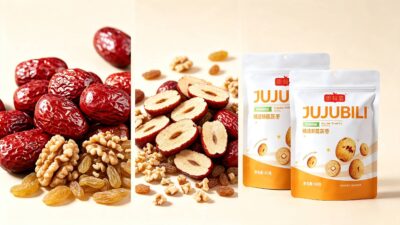
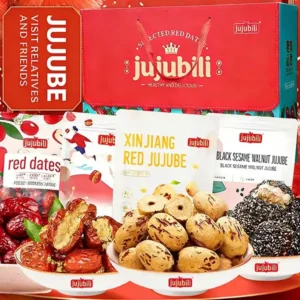
At ZAORAN, our brand strategy—JUJUBILI by ZAORAN—is engineered specifically to act as your complete ODM/OEM snack solutions partner. We understand that your goal isn’t just to buy bulk dried fruit; it is to launch successful, market-ready products.
As a dedicated wholesale red dates factory in China, our capabilities encompass the entire production spectrum:
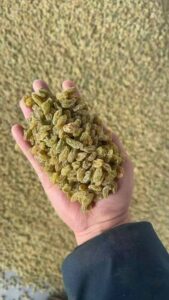
- Raw & Primary Processing: Sourcing, grading, pitting, and slicing premium red dates, walnuts, and raisins.
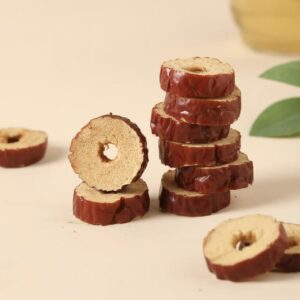
- Deep Processing & Innovation: Developing innovative healthy snack formulations, such as walnut-stuffed red dates, crispy jujube chips, and functional fruit mixes.
- Turnkey ODM/OEM Private Labeling: Delivering retail-ready packaging optimized for international supermarket shelves, customized to meet local language, labeling, and nutritional declaration laws.
By consolidating the roles of farm-source collector, advanced manufacturer, and compliance expert under one roof at jujubili.com, we drastically lower your supply chain complexity.
Strategic Tips for Sourcing Success
To guarantee a seamless experience when you import dried fruit from China, integrate these three strategic pillars into your procurement playbook:
- Lock in Volume Ahead of Peak Seasons: The harvest season for red dates and walnuts peaks in autumn. Securing your contract allocations early ensures price stability and guarantees container availability ahead of peak shipping windows like the Lunar New Year.
- Leverage Trade Agreements: Take full advantage of regional trade agreements such as the Regional Comprehensive Economic Partnership (RCEP). Ensuring your supplier provides an accurate Form E (for ASEAN countries) can slash import tariffs to zero.
- Audit the Factory’s Tech, Not Just Their Fruit: Partner with suppliers who invest in modern food processing technologies. Advanced laser sorting, X-ray foreign body detection, and automated moisture control are critical to maintaining consistent quality across multi-container shipments.
Conclusion: Partner for Scale
Logistical efficiency is the backbone of successful international food brands. By mastering cold chain requirements, choosing the right transport corridors, and aligning with a partner capable of delivering comprehensive product solutions, you position your brand for sustainable growth.
JUJUBILI by ZAORAN is committed to becoming Asia’s leading ODM/OEM snack solutions provider for jujubes, nuts, and dried fruits. We streamline everything from the Xinjiang soil to the final shipping container, ensuring your inventory arrives fresh, compliant, and ready to capture market share.
Ready to optimize your supply chain and reduce your sourcing overhead? Explore our full capabilities at jujubili.com and let us build your next premium product line together.China Customs (GACC)
Built on Jujubes. Built for Brands. ODM/OEM Snack Solutions | Jujube, Nuts & Dried Fruits