Blog
Ultimate Guide to the 2026 Dried Fruit Market: Jujube vs. Raisins for ODM Snack Manufacturing

Table of Contents
The global dried fruit market is undergoing a profound structural transformation in 2026. Once treated primarily as conventional baking ingredients or raw agricultural commodities, dried fruits have moved to the center of the functional food and healthy snack sectors.
Driven by health-conscious consumers, the global dried fruit market is rapidly evolving in 2026.
In 2026, the dried fruit market is increasingly influenced by clean-label nutrition, functional snackification, and natural sweetener innovation. As international food brands search for healthier ingredient alternatives, the comparison between raisins vs. jujube has become a critical discussion across ODM/OEM snack manufacturing and bulk dried fruit sourcing.
This shift is especially visible in Asia, where jujube supplier networks are expanding rapidly to support healthy snack brands, functional beverage companies, and clean-label product developers.
Demand for clean-label, nutrient-dense, and minimally processed foods is reshaping how international B2B buyers approach ingredient sourcing and new product development.
Within this macro-shift, two key raw materials command the focus of global brand owners, food formulators, and distributors: the long-established industry standard, raisins (dried grapes), and the fast-ascending functional powerhouse, the jujube (red date). While raisins maintain a massive operational footprint across traditional food supply chains, jujubes are emerging as a premium disruptive ingredient. This trend is particularly clear across highly dynamic Asian consumer hubs, including Vietnam, Korea, Japan, Singapore, and the Taiwan region.
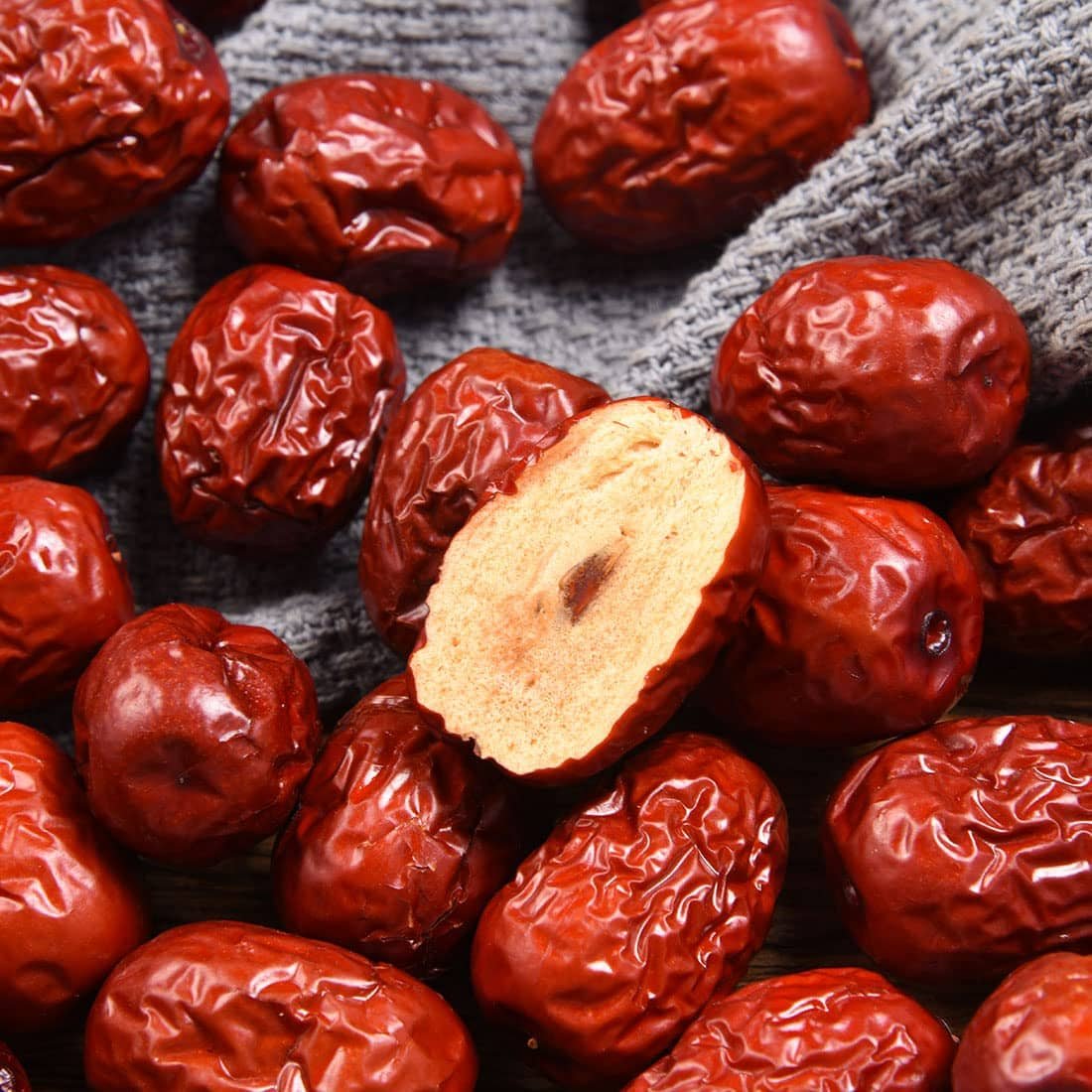
For international brands aiming to capitalize on the “snackification” of traditional whole foods, choosing the right ingredient base is a vital strategic decision. This market insight overview details the critical shifts defining the dried fruit market in 2026, providing a comparative analysis of raisins versus jujubes to help B2B procurement heads minimize operational friction and lower product decision-making costs.
Current Dynamics of the Global Dried Fruit Market in 2026
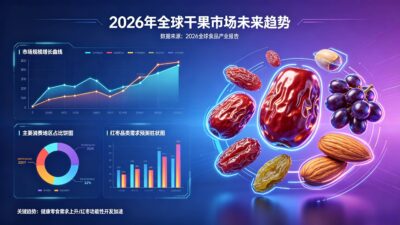
Recent market intelligence indicates that the global dried fruit market size is valued at approximately USD 12.6 billion in 2026. The market is projected to reach USD 18.3 billion by 2033, exhibiting a steady Compound Annual Growth Rate (CAGR) of 5.5%. This growth is primarily fueled by a permanent consumer shift away from ultra-processed, calorie-dense foods and toward whole-food alternatives that offer intrinsic health benefits without the need for artificial fortification.
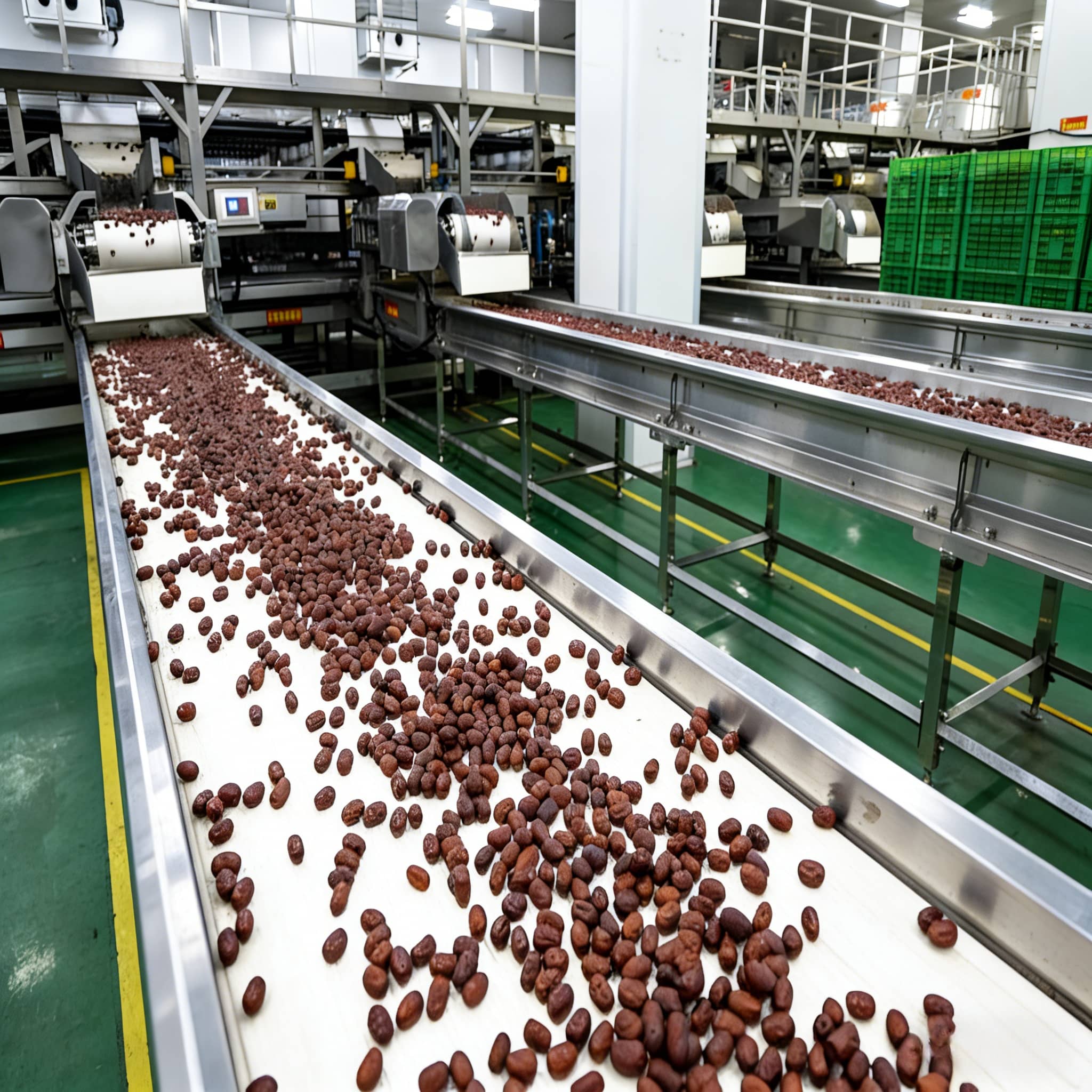
Two dominant product development trends have crystallized in 2026:
- Unrefined Whole-Fruit Sweetening: Driven by global clean-label transparency movements and strict sugar reduction policies, manufacturers are replacing refined sugars and corn syrups with natural whole-fruit derivatives such as pastes, powders, and concentrates.
- The “Snackification” of Commodities: Raw agricultural inputs are increasingly being re-engineered into highly convenient, portable, and aesthetically premium shelf-stable formats. Consumers want functional nutrition delivered via grab-and-go packaging, sophisticated textures, and clean ingredient profiles.
From a geographic perspective, the Asia-Pacific region leads global consumption, accounting for nearly 39% of the global market share. Emerging retail channels in Vietnam are seeing a massive surge in demand for packaged health foods. Simultaneously, mature, sophisticated markets like Japan, Korea, and Singapore are setting exceptionally high standards for chemical-free processing, traceability, and strict organic compliance.Grand View Research
Raisins vs. Jujube: A Strategic Comparison for B2B Buyers
To optimize product development and maximize supply chain efficiency, B2B brands must understand how these two ingredients compare across core operational and nutritional parameters.
| Feature / Metric | Raisins (Dried Grapes) | Jujube (Red Dates) |
| 2026 Market Share Status | Dominant volume leader (~33.91% share) | High-growth premium challenger |
| Primary Nutritional Profile | High iron, potassium, rapid energy source | Rich in Vitamin C, high dietary fiber, iron, deep antioxidant density |
| Glycemic Index (GI) Impact | Moderate to High | Low to Moderate (Highly favorable for wellness/diabetic formulations) |
| Flavor & Functionality | Intense, sharp sweetness; excellent humectant | Mild, warm, unrefined sweetness; adaptable base flavor |
| Processing Versatility | Standard whole fruit, dicing, paste | Pitted, sliced, crispy chips, nut-stuffed, fine soluble powders |
| Target B2B Application | Bakery, cereals, bulk trail-mix blending | Functional snacks, wellness beverages, clean-label sugar alternatives |
| ODM/OEM Customization | Low to Moderate differentiation potential | Exceptionally high potential for premium brand positioning |
Deep-Dive: Applications, Strengths, and Value-Added Innovation
Raisins: The Dependable, High-Volume Engine
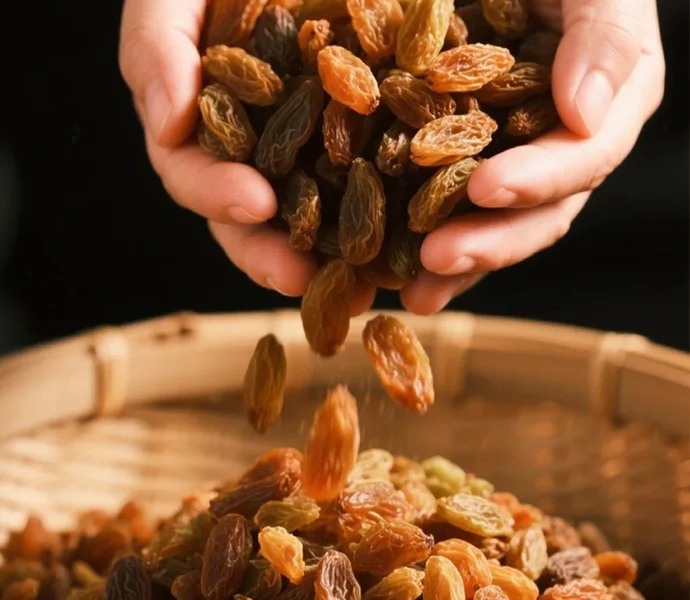
As a staple of the global dried fruit market, raisins remain a reliable foundation for high-volume food production. Their global supply chains are mature, and their flavor profile is universally recognized. For large-scale bakeries, confectionery brands, and traditional cereal manufacturers, raisins offer a highly predictable and cost-effective method for adding moisture and sweetness.
However, because the market for bulk wholesale raisins is highly commoditized, raw ingredient price fluctuations can compress brand margins. To maintain profitability, forward-thinking brands are shifting away from standalone raisin packaging and instead integrating them into premium, mixed-matrix snack formulations, blending them alongside high-value nuts and functional superfoods to elevate consumer perception.
Jujubes: The Foundational Base for Healthy Snackification Manufacturing
In contrast, the global jujube market is experiencing a significant surge, driven by an accelerating CAGR of nearly 9.96%. No longer treated as an obscure, niche ingredient, the jujube has transitioned into a mainstream asset for healthy snackification manufacturing due to its unique physical and nutritional characteristics.
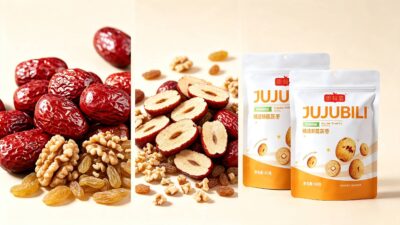
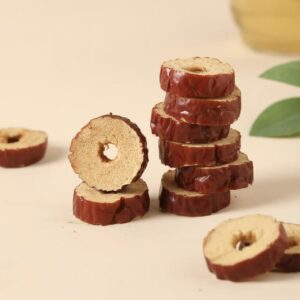
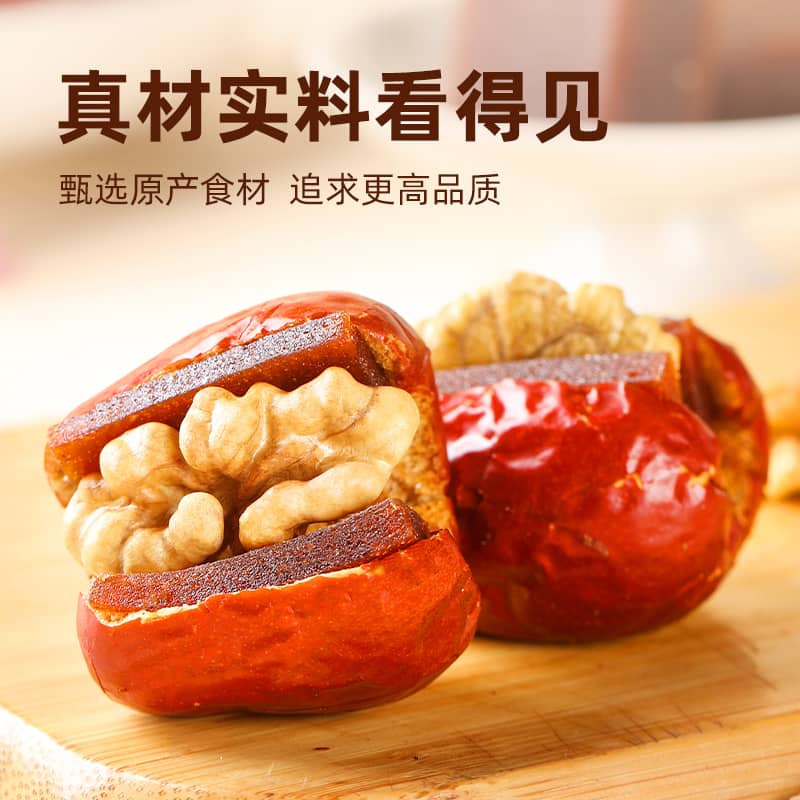
Unlike many high-sugar dried fruits, jujubes deliver a rich supply of bioactive compounds, including saponins and flavonoids, which are highly regarded for their stress-relief and sleep-support benefits. Furthermore, because jujubes act as a superb unrefined sweetener, they enable brands to create clean-label products that align perfectly with modern wellness goals. The physical structure of the jujube allows for extensive customization, making it an excellent candidate for sophisticated jujube ODM OEM solutions—such as pitting, slicing into freeze-dried crispy rings, or stuffing the cavity with premium walnuts to create a balanced, high-protein snack.
Navigating Local Demand and Supply Chain Friction in Asia
For international brands attempting to capture market share across Asia, product development often comes with complex supply chain hurdles, fragmented vendor landscapes, and shifting regulatory compliance. Understanding these local nuances is essential to reducing product decision-making costs:
- Vietnam: Experiencing a significant modern retail boom across major urban centers. Consumers have a strong cultural familiarity with red dates, making the transition from a traditional cooking ingredient to a modern daily snack highly efficient.
- Korea & Japan: These markets demonstrate a strong demand for strict organic compliance, meticulous aesthetic quality, and innovative functional formats. Products must feature flawless appearance and clear clean-label credentials to survive competitive retail environments.
- Singapore: A hyper-mature wellness hub where the government’s Nutri-Grade labeling system heavily influences purchasing. Food brands are aggressively seeking natural fruit ingredients that optimize their nutritional grading without ruining taste profiles.
To navigate these diverse environments, brands cannot rely on simple raw material brokers. They require a comprehensive, vertically integrated solution provider.
JUJUBILI by ZAORAN: Your Strategic ODM/OEM Solution Provider
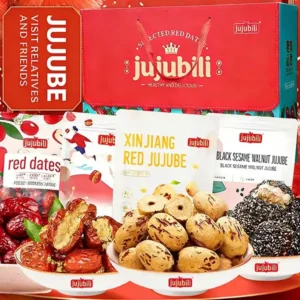
Addressing these precise market challenges is JUJUBILI by ZAORAN. Operating as the dedicated B2B international expansion brand of Henan Zaoran International Trading Co., Ltd. (ZAORAN), JUJUBILI provides complete, end-to-end product development and manufacturing infrastructure designed to simplify procurement for international buyers.
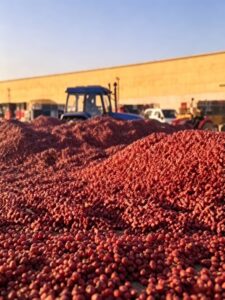
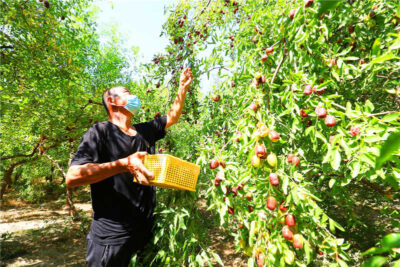
ZAORAN controls an extensive, owned jujube source factory alongside deep, farm-level procurement capabilities. This direct control over the agricultural source gives the company unmatched bargaining power, supply continuity, and price stabilization capabilities over the jujube supply chain—the ultimate foundational raw material. Recognizing the broader needs of global snack brands, the company has integrated its core jujube infrastructure with robust sourcing and processing channels for premium walnuts and raisins, acting as a true one-stop hub for bulk jujube nuts dried fruit solutions.
Further strengthening its international compliance framework, ZAORAN established a strategic cooperation agreement with a major state-owned agricultural enterprise in Xinjiang in mid-April 2026. This corporate alliance ensures a secure pipeline of premium raw materials carrying respected organic certifications valid for China, the European Union (EU), and Japan. For B2B buyers operating in high-scrutiny markets like Japan and Korea, this collaboration completely removes regulatory risk, shortens time-to-market, and guarantees impeccable batch-to-batch traceability.
Transforming Raw Commodities into Market-Ready Brand Solutions
JUJUBILI by ZAORAN has moved permanently past the traditional model of selling simple bulk commodities. The company’s core strategy is built on providing tailored, scalable solutions that lower the initial R&D and operational costs for international brands. Their comprehensive manufacturing tiers include:
Premium Raw Material Supply: Meticulously sorted, clean-graded bulk inputs for large-scale food manufacturers who manage their own internal processing.
Light Processing Innovations: Advanced pitting, uniform slicing, and the production of ready-to-eat products like walnut-stuffed jujubes designed for modern retail shelves.
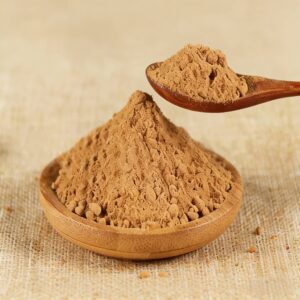
Deep Processing & Snackification: Formulating highly soluble jujube powders, smooth concentrated pastes, and customized fruit bases that serve as clean-label, functional sweeteners for nutrition bars, functional beverages, and premium baking lines.
By acting as a dedicated jujube supplier Asia can rely on for complete backend support, the company seamlessly brings its brand slogan to life:
Built on Jujubes. Built for Brands. ODM/OEM Snack Solutions | Jujube, Nuts & Dried Fruits
Whether you are an established food brand in Singapore looking to optimize a clean-label recipe, a retail distributor in Vietnam rolling out an innovative snack line, or an enterprise operating in Japan, Korea, or the Taiwan region requiring a certified organic manufacturing partner, JUJUBILI by ZAORAN delivers the raw material authority, advanced processing tech, and compliance safety needed to scale your brand with total peace of mind. Discover the future of functional dried fruits at jujubili.com.
Frequently Asked Questions
Why are jujubes becoming popular in the dried fruit market?
Jujubes are gaining popularity because they offer natural sweetness, dietary fiber, antioxidants, and clean-label functionality for modern snack manufacturing.
Are jujubes healthier than raisins?
Jujubes generally contain lower glycemic impact and higher antioxidant compounds, making them attractive for functional wellness products.
What are the best applications for jujube powder?
Jujube powder is widely used in nutrition bars, healthy beverages, bakery products, and clean-label sweetener systems.
Why do brands choose ODM/OEM jujube suppliers in Asia?
Asian jujube manufacturers offer scalable sourcing, advanced processing, organic certifications, and competitive production costs.