Blog
Natural Sweeteners Market 2026: 7 Whole Fruit Trends Transforming Healthy Snacks

Table of Contents
The global food and beverage industry is undergoing a profound transformation. As consumers increasingly reject synthetic additives and highly refined sugars, the natural sweeteners market has experienced unprecedented growth. However, the definition of a “natural sweetener” is evolving.
The global natural sweeteners market is entering a new phase driven by clean-label demand, whole-food nutrition, and minimally processed ingredients.
While first-generation alternatives like stevia, erythritol, and monk fruit successfully paved the way for sugar reduction, modern consumers are looking for more than just zero calories—they want nutrition, transparency, and minimal processing.
This shift in consumer behavior has triggered a significant macroeconomic trend: the transition toward whole fruit ingredients as foundational sweetening matrices. For B2B food manufacturers, brand owners, and product developers across major Asian markets—including Korea, Japan, Singapore, Vietnam, and the Taiwan region—this trend represents both a major consumer shift and a lucrative supply chain opportunity.
The Evolution of the Natural Sweeteners Market: Beyond Refined Alternatives
To understand why whole fruit sweetener ingredients are dominating product development pipelines, one must look at the limitations of refined sugar alternatives.
While high-intensity sweeteners achieved massive market share over the last decade, they frequently present formulation challenges, including a metallic aftertaste, lack of functional bulk, and a heavily processed chemical extraction narrative that conflicts with “clean label” marketing.
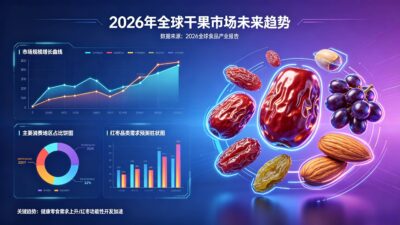
According to recent natural sweeteners market data, the demand for unrefined, fruit-based sweetening agents is projected to grow exponentially through the late 2020s. Modern R&D departments are prioritizing ingredients that provide sweetness alongside inherent nutritional value—such as dietary fiber, vitamins, and antioxidants. Whole fruit ingredients inherently possess these properties, allowing brands to claim “no added sugar” while maintaining a premium, clean-label ingredient deck.
Why Whole Fruit Ingredients are Winning the Clean-Label Race
The core driver behind the adoption of whole fruit components in food manufacturing is consumer trust. When a consumer reads an ingredient list and sees “jujube paste,” “raisin puree,” or “whole fruit powder,” their perception of product healthfulness increases dramatically compared to seeing isolated chemical compounds.
Across the natural sweeteners market, food manufacturers are increasingly replacing isolated sweeteners with whole fruit solutions.
The Multi-Functional Power of Whole Fruits
Whole fruits offer functional properties that isolates cannot replicate:
- Texture and Bulk: They act as natural binders and bulking agents in bars, baked goods, and confectionery.
- Moisture Retention: Natural fruit sugars help maintain shelf-life humectancy without artificial preservatives.
- Nutritional Synergy: The natural fibers present in whole fruits slow down sugar absorption, contributing to a lower glycemic index (GI) profile for the finished product.
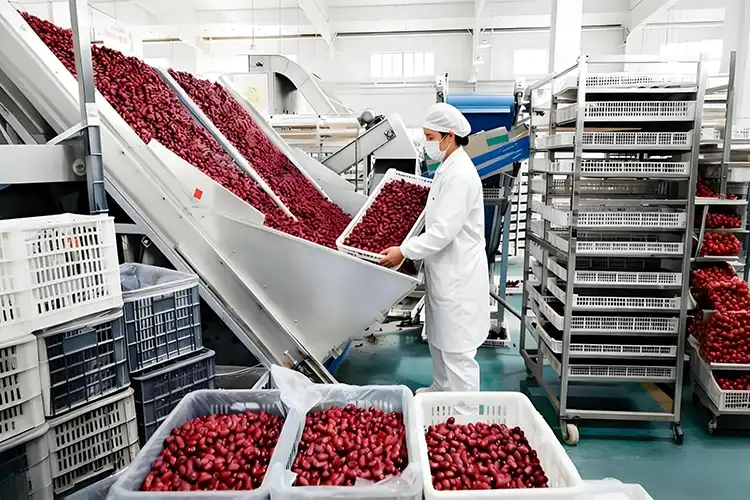
For international brands aiming to capture market share in competitive functional food sectors, transitioning to a clean label fruit sweeteners B2B strategy is no longer optional—it is a baseline requirement for premium positioning.Within the fast-growing natural sweeteners market, jujube-based ingredients are becoming highly attractive for functional food applications.
The Jujube Advantage: A Foundational Ingredient for Functional Sweetening
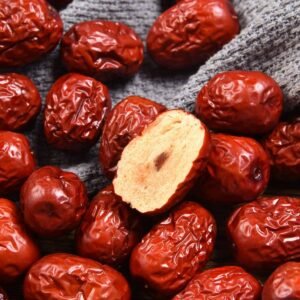
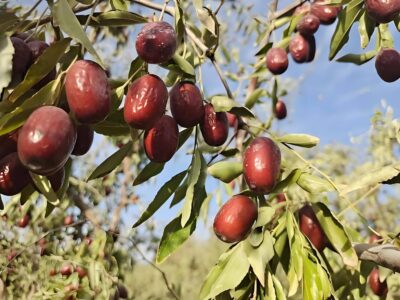
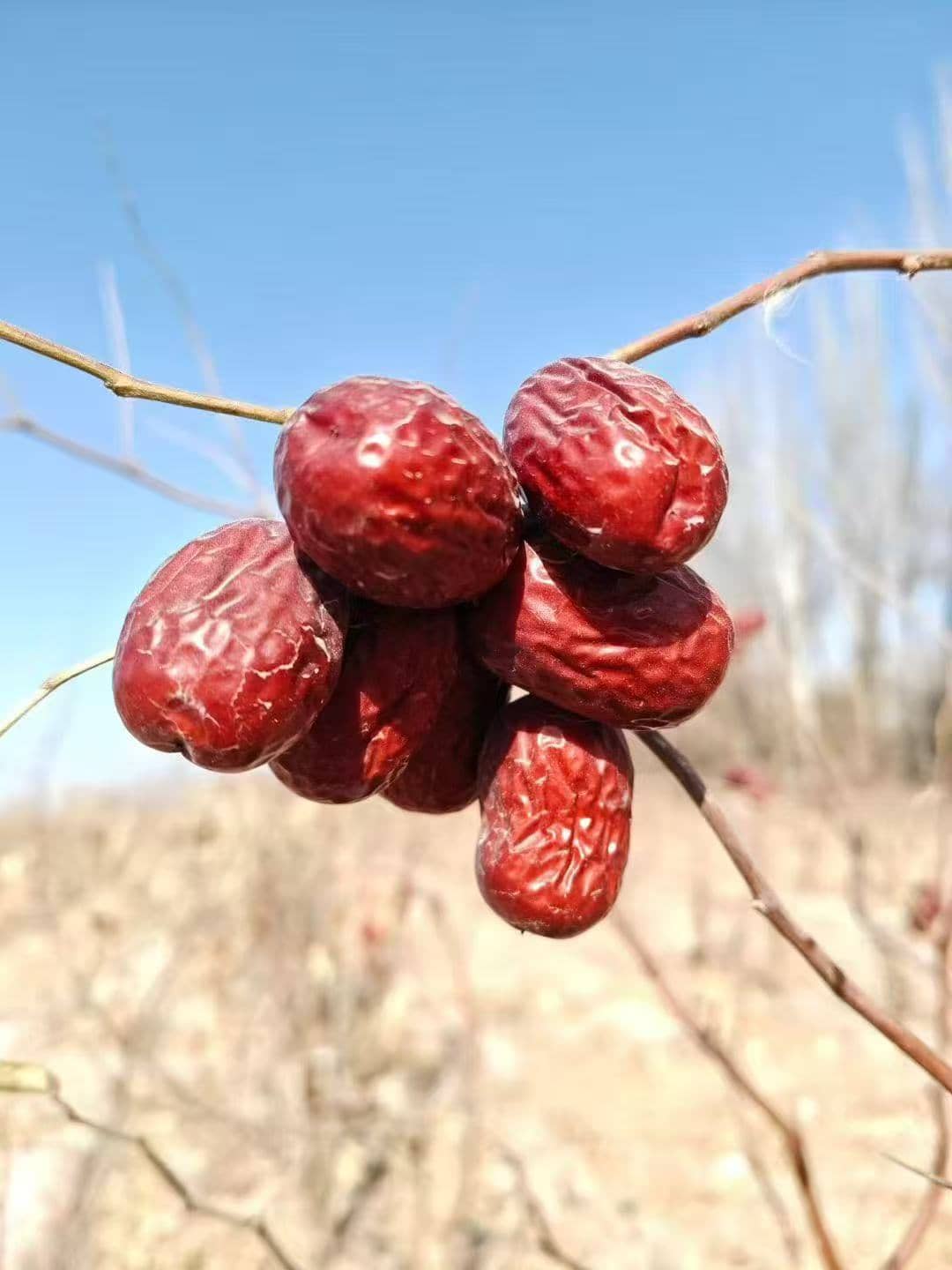
Within the ecosystem of whole fruit sweeteners, the jujube (red date) stands out as an exceptionally powerful, underutilized asset. While Western formulations have traditionally relied heavily on Mediterranean dates, the Asian market is uniquely positioned to leverage the distinct advantages of the jujube.
As the global natural sweeteners market continues to evolve, whole fruit ingredients are expected to dominate future product innovation.It is rich in bioactive compounds, polysaccharides, and antioxidants, making it the perfect base for the “snackification” of traditional health foods.
For brands looking to develop next-generation wellness products, sourcing high-quality jujube inputs is critical. This is where specialized procurement expertise becomes a decisive competitive advantag.
According to the FDA clean-label guidance
De-Risking the Supply Chain: B2B Sourcing Challenges Solved
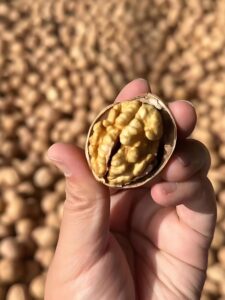
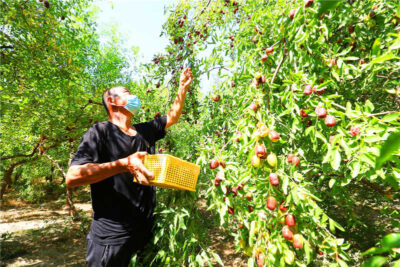
For food brands in cross-border markets, the primary bottleneck to adopting whole fruit ingredients is supply chain volatility. Sourcing agricultural commodities like jujubes, walnuts, and raisins directly from individual farms introduces risks regarding pesticide residues, quality inconsistency, and fragmented logistics.
To lower the decision-making and operational costs for overseas buyers, a centralized, industrially mature partner is essential. JUJUBILI by ZAORAN addresses these exact pain points by combining deep, on-the-ground agricultural procurement with advanced manufacturing infrastructure.
Direct-from-Source Industrial Capabilities
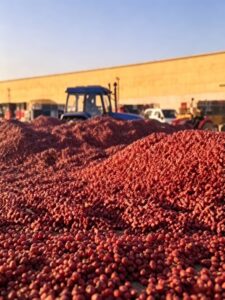
Operating from a dedicated, source-level jujube processing facility, ZAORAN eliminates middlemen, ensuring full traceability from the orchard floor to the final B2B delivery. This deep integration guarantees structural price stability and uniform quality control—two elements that are traditionally difficult to secure in the raw agricultural sector.
Furthermore, demonstrating a continuous commitment to elite quality verification, ZAORAN established a pivotal strategic partnership with a leading state-owned enterprise in Xinjiang in mid-April 2026. This collaboration brings together immense supply chain scale and rigorous international compliance standards, backed by prestigious organic certifications for China, the European Union, and Japan. For global procurement officers, this verified compliance framework substantially mitigates regulatory entry barriers and accelerates time-to-market.
JUJUBILI by ZAORAN: Your Strategic ODM/OEM Partner for Healthy Snacks
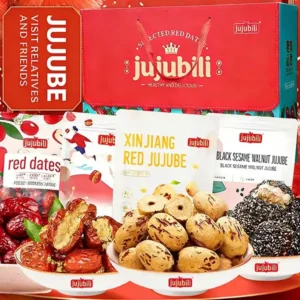
The modern B2B buyer is not merely looking for a dried fruit ingredient supplier; they are looking for comprehensive product solutions. The philosophy behind JUJUBILI is simple yet transformative: “Built on Jujubes. Built for Brands.” ZAORAN does not just sell dried fruit commodities—it delivers end-to-end jujube ODM OEM solutions designed to turn complex raw materials into retail-ready, highly marketable consumer goods.
| Processing Tier | Ingredient Formats | Target Applications & Innovation |
| Raw Materials | Selected Whole Jujubes, Premium Walnuts, Raisins | Bulk manufacturing, traditional repackaging, base blending. |
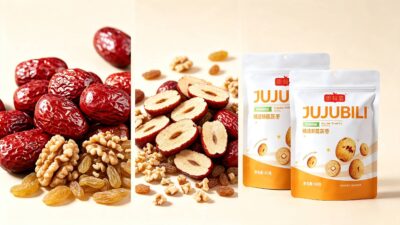
| Lightly Processed | Pitted Jujubes, Sliced Dates, Nut-Stuffed Jujubes | Ready-to-eat clean-label snacks, trail mixes, bakery inclusions. |
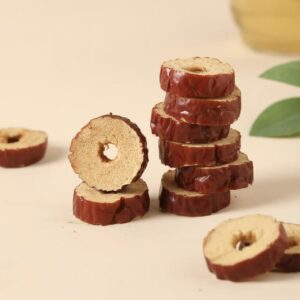
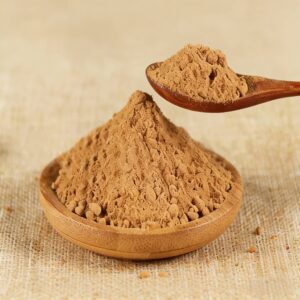
| Deeply Processed | Jujube Powders, Concentrated Pastes, Fruit Bases | Natural sweetening matrices, functional beverage bases, energy bars. |
| ODM / OEM Solutions | Retail-Ready Branded Healthy Snacks | Complete private label execution tailored for target regional trends. |
By offering everything from raw agricultural inputs to highly sophisticated, deeply processed private label healthy snacks in Asia, JUJUBILI dramatically minimizes formulation and manufacturing hurdles for international buyers.
Whether a brand in Japan wants to develop a jujube-sweetened wellness bar or a distributor in Vietnam requires high-volume bulk healthy dried fruits in Asia, JUJUBILI provides the formulation expertise, manufacturing capacity, and regulatory confidence needed to execute seamlessly.
Strategic Market Alignment Across Asia
Consumer preferences for healthy snacking vary distinctively by region, and a one-size-fits-all approach rarely succeeds in international trade. JUJUBILI’s strategic footprint is engineered to serve the nuanced requirements of key regional landscapes:
- Korea & Japan: High demand for strict organic compliance, meticulous aesthetic quality, and sophisticated functional snacking formats (e.g., nut-stuffed jujubes and low-GI meal replacements).
- Singapore: A hyper-mature market prioritizing clean-label transparency, Nutri-Grade optimization, and premium wellness branding.
- Vietnam & Regional Growth Markets: Rapidly expanding middle-class demographics seeking accessible, high-nutrition daily snacks that bridge traditional wellness with modern convenience.
By operating as an integrated solution provider rather than a static vendor, JUJUBILI helps brands navigate these regional nuances, offering custom-tailored formulations that align perfectly with local regulatory guidelines and consumer taste profiles.
Conclusion: The Future is Whole Fruit
As the global natural sweeteners market permanently pivots toward clean-label, unrefined, and functional ingredients, whole fruits like the jujube are cementing their place at the forefront of food innovation. Success in this evolving market requires more than just identifying the trend—it requires partnering with an entity that commands the underlying agricultural supply chain and possesses the industrial capacity to scale.
Through its dedicated factory framework, deep source-level procurement, and comprehensive development capabilities, JUJUBILI by ZAORAN stands ready to empower your brand.
Our Slogan: Built on Jujubes. Built for Brands. ODM/OEM Snack Solutions | Jujube, Nuts & Dried Fruits
Discover how to optimize your product line for the next generation of natural sweetness. Connect with our global B2B team and explore our full capabilities at jujubili.com.
Brands that adapt early to the natural sweeteners market transition will gain significant advantages in clean-label positioning and consumer trust