Blog
Xinjiang Walnuts: Nature’s Gift for Health

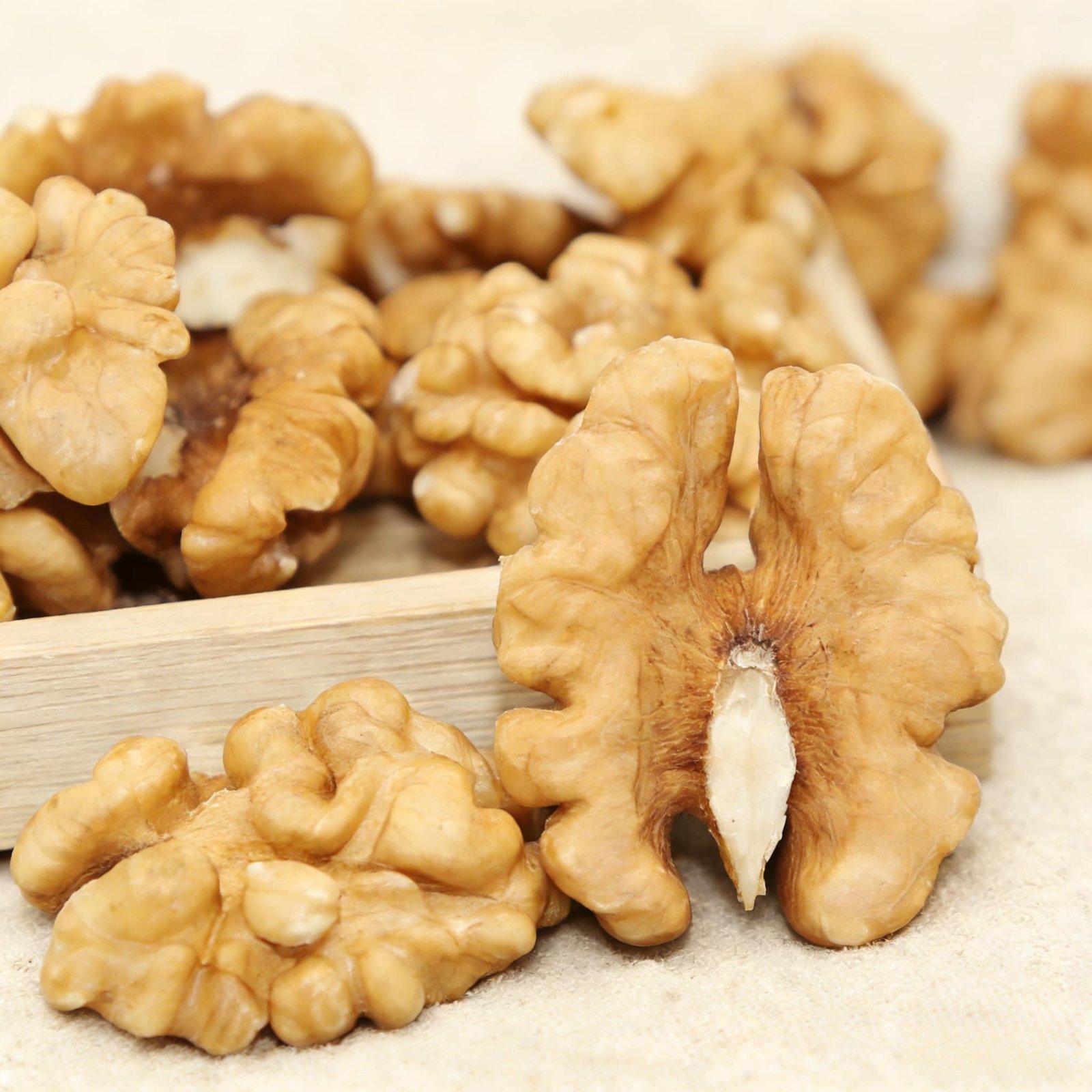
Xinjiang, with its unique geographical environment and climate, is recognized as a premium walnut production region. Abundant sunshine and significant day-night temperature differences promote nutrient accumulation in walnuts, giving them exceptional qualities: large size, thin shells, plump kernels, and rich aroma. Xinjiang walnuts are not only popular in the domestic market but are also exported to countries like Germany, the UK, Canada, Australia, and Turkey, becoming a “Chinese name card” in the international market.
Xinjiang’s three main walnut-producing regions—Aksu, Kashgar, and Hotan—each have distinct characteristics. The “Wen 185” thin-shell walnut from Wensu County in Aksu is known as “China’s Famous Fruit.” Its shell is only about 0.6 mm thick on average, easy to crack by hand, with a kernel yield rate exceeding 70%, making it a representative of top-grade walnuts. Yecheng walnuts are renowned for their smooth shell surface, easy removal of whole kernels, plump sweet kernels, and high oil content. Hotan thin-shell walnuts are famous for being “large with high oil content,” containing 15.4% protein and 40%-63% fat.
Fine Walnuts with Time-Honored Heritage
The superior quality of Xinjiang walnuts stems from its unique growing environment and scientific cultivation techniques. Yecheng County, known as “Hometown of Walnuts in China,” has a walnut planting history spanning over 2000 years. The oldest walnut tree group there, known as the “Seven Immortals Walnut Trees,” includes a massive tree with a diameter of 1.55 meters and a height of 25 meters. Records indicate it was planted in 1524 and still thrives today, laden with fruit.
These ancient trees are not only historical witnesses but also a treasure trove of high-quality germplasm resources. The walnut germplasm resource nursery established in Yecheng County in 2020 has collected and preserved over 200 varieties of walnut resources from home and abroad, providing a solid foundation for new variety breeding and sustainable industry development. Through scientific management and meticulous farming, the walnut industry has become a “golden fruit” for local farmers, benefiting over 350,000 people in the county involved in the walnut industry chain.
Nutritional Value and Health Benefits
Walnuts are ranked among the world’s four major nuts (alongside almonds, cashews, and hazelnuts) and are highly regarded in both traditional medicine and modern nutrition science.
Perspective of Traditional Medicine
Traditional Chinese medicine considers walnuts warm in nature, sweet in taste, and non-toxic, with functions including strengthening the stomach, enriching blood, moistening the lungs, and calming the mind. Tang Dynasty medic Meng Shen recorded in Dietary Therapiesthat the linoleic acid and linolenic acid in walnut kernels can purify blood, clear vascular walls, and help prevent cardiovascular and cerebrovascular diseases.
Modern Nutritional Analysis
- Brain Health: Phospholipids in walnuts benefit brain nerves and can delay memory decline.
- Cardiovascular Protection: Walnut oil contains unsaturated fatty acids that help prevent arteriosclerosis.
- Anti-Aging: Rich in essential trace elements like zinc, manganese, and chromium, which play important roles in anti-aging.
- Beauty Care: Walnut kernels are ideal for skin care, regularly consumed they can moisturize skin and darken hair.
Industrial Development and Global Journey
Xinjiang’s walnut industry has formed a complete industrial chain, achieving comprehensive utilization from green walnut hulls and shells to kernels.
In Yecheng County, companies extract tannins from green hulls for industrial use; shells are processed into activated carbon for use in oil production; the separator inside the shell is made into health tea; and pruned branches are used to produce particleboard. This “using every part” model greatly enhances resource efficiency.
Leveraging the “Belt and Road” initiative, Xinjiang walnuts are exported via China-Europe freight trains. In December 2019, Xinjiang forest products were exported by dedicated train for the first time—a train carrying walnuts and kernels departed for Turkey, marking the beginning of Xinjiang walnuts’ large-scale entry into the international market. Using these trains, walnuts reach West Asia and Europe in half the time compared to sea freight, better ensuring product quality.
Selection and Consumption Guide
How to Choose Quality Walnuts
- Size: Uniform size is better than simply large.
- Appearance: Shells should be thin and clean, but avoid products that appear bleached.
- Plumpness: Plump kernels usually indicate natural ripening and better taste.
Diverse Ways to Enjoy Walnuts
Walnuts can be eaten raw, boiled, sugared, or used in dishes. For example:
- Healthy Snack: Eaten directly for original flavor and nutrition.
- Medicinal Recipes: Cooked with barley seeds or chestnuts in porridge to help with conditions like frequent urination.
- Tonic Food: Made into a sweet coating with sesame seeds or lotus seeds to nourish the heart and brain