Blog
How to Choose High-Quality Dried Jujube for Manufacturing: The Ultimate Guide

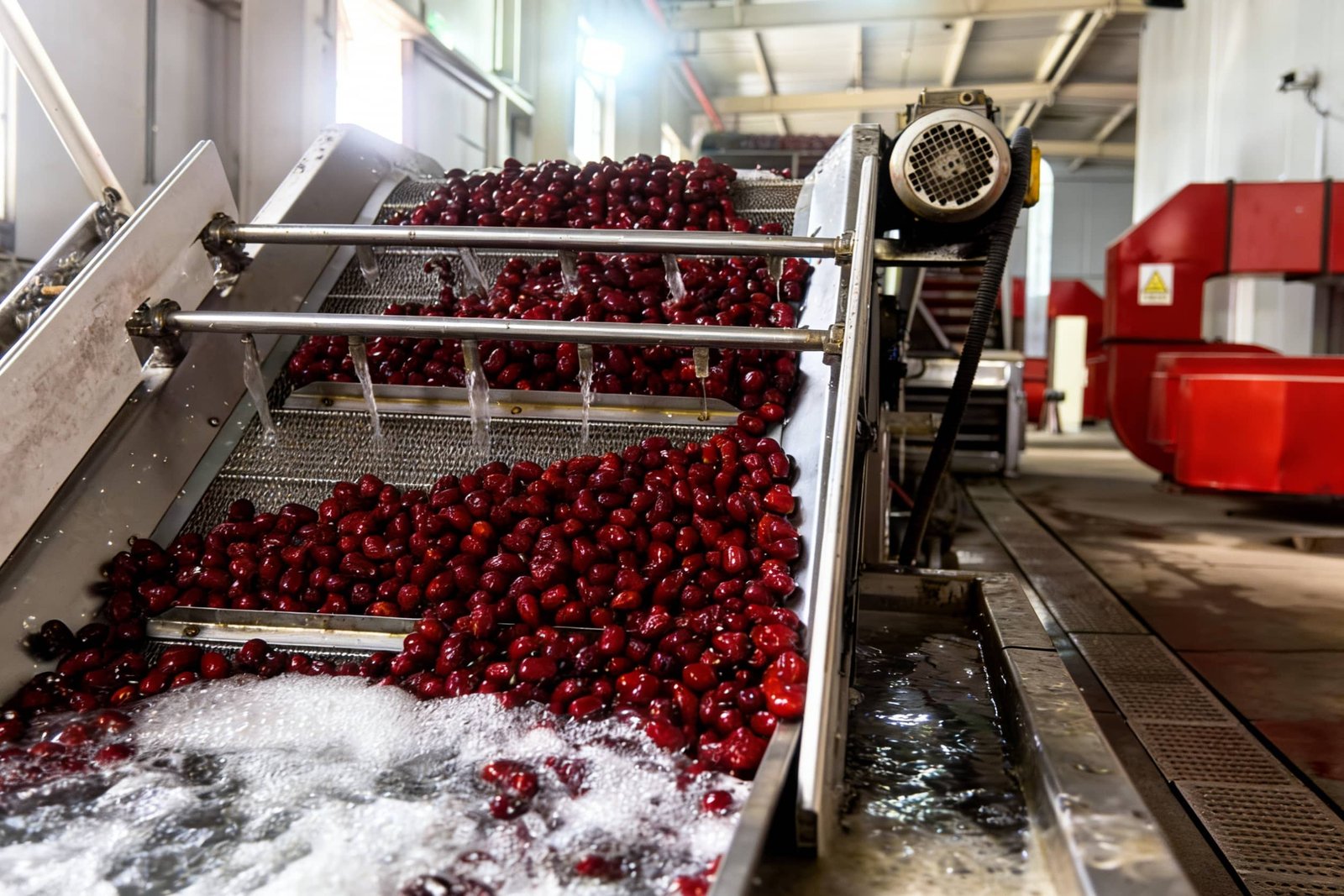
jujube OEM supplier manufacturing and quality control in China
Learn how to choose a reliable jujube OEM supplier in China, covering MOQ, pricing, certifications, and private label snack solutions.
Dried jujube, also known as red dates, is a popular ingredient in snacks, baked goods, beverages, and functional health foods. For food manufacturers, choosing high-quality dried jujube is critical—not just for flavor, but also for consistency, safety, and shelf life. In this guide, we provide a comprehensive, step-by-step approach to selecting the best dried jujube for your manufacturing needs.Working with a professional jujube OEM supplier ensures stable quality, compliant processing, and scalable production for food brands.
Why Choosing the Right Jujube OEM Supplier Matters in Manufacturing
Manufacturers often overlook ingredient quality, focusing only on cost. However, low-quality jujubes can lead to production issues such as uneven drying, inconsistent taste, spoilage, and reduced shelf life. High-quality dried jujube provides:
- Consistent sweetness and flavor
- Proper texture for slicing, dicing, or inclusion in finished products
- Reduced risk of microbial contamination
- Longer shelf life and stable processing characteristics
Investing in quality raw materials upfront saves time, reduces waste, and ensures end-product excellence.
Step 1: Verify the Source with a Reliable Jujube OEM Supplier
The origin of dried jujube directly impacts its flavor, texture, and nutritional value. When sourcing:
- Origin-controlled suppliers: Work with suppliers who provide detailed traceability from orchard to warehouse. This ensures consistent quality and helps meet regulatory requirements for international markets.
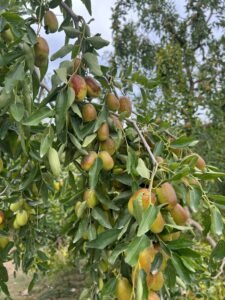
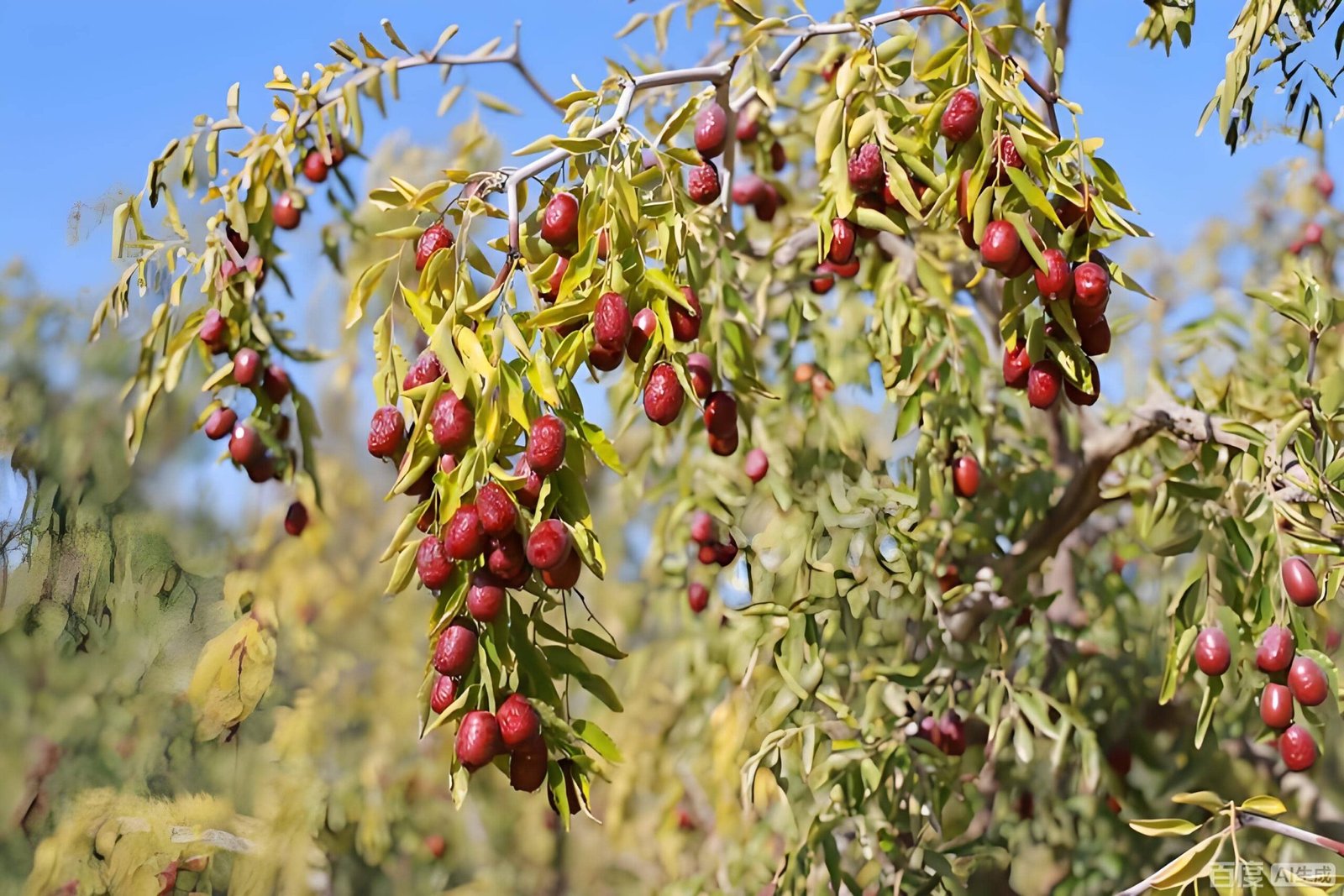
- Premium growing regions: Jujubes grown in regions with abundant sunlight, fertile soil, and suitable climate often have a natural sweetness and firm texture.
- Harvesting and processing timelines: Freshly harvested fruit and careful drying methods preserve the natural flavor and nutrients.
Tip: Ask for documentation of orchard location, harvest date, and processing batch.
Step 2: Assess Appearance and Size
Visual quality is one of the first indicators of high-grade dried jujube:
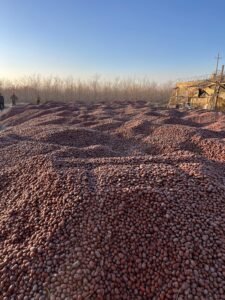
- Color: Look for reddish-brown hues with natural shine. Avoid overly dark, blackened, or uneven-colored fruit.
- Size and shape: Uniform size improves processing efficiency for slicing, dicing, or packaging.
- Defects: Check for cracks, bruises, black spots, or signs of insect damage.
Pro Tip: Consistency in size and color is essential for high-volume manufacturing to reduce sorting time and minimize production waste.
Step 3: Evaluate Moisture Content
Moisture content plays a crucial role in shelf life and processing performance:
- Semi-dried jujubes: 18–22% moisture, suitable for immediate use in products like confectionery and beverages
- Fully dried jujubes: ≤16% moisture, ideal for bulk storage and long-term production
Too much moisture can promote mold or fermentation; too little can cause dryness, bitterness, or loss of natural sweetness. Always request moisture analysis from suppliers before bulk purchase.
Step 4: Check Taste and Aroma
Even when used for manufacturing, flavor matters:
- Sweetness: Good-quality jujubes maintain their characteristic honey-like taste.
- Aroma: Natural, pleasant aroma indicates proper drying and storage. Avoid fruit with off-smells, fermentation odor, or chemical hints.
Manufacturers often require taste-testing samples to ensure uniformity across production batches.
Step 5: Check Certifications of Your Jujube OEM Supplier
Food safety is non-negotiable in B2B supply chains:
- Certifications: Suppliers with ISO, HACCP, or organic certification demonstrate adherence to international food safety standards.
- Minimal additives: High-quality jujubes should be naturally dried, without excessive sugar coating or artificial preservatives.
- Pitting and cutting options: Depending on your production needs, choose suppliers who offer pitted, whole, sliced, or diced jujubes.
- Many international buyers also refer to global food safety standards such as HACCP and ISO guidelines when selecting a jujube OEM supplier.
Pro Tip: A supplier’s processing method impacts nutritional retention, flavor, and texture.
Step 6: Packaging and Storage Considerations
Proper packaging preserves quality during transportation and storage:
- Food-grade liners: PB/PP films prevent contamination and moisture ingress.
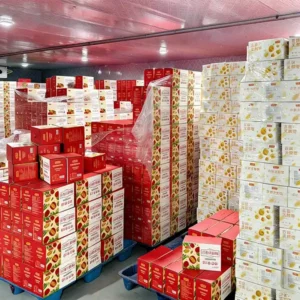
- Outer cartons: Durable boxes prevent crushing during transit.
- Bulk packaging: Options for 10–20 kg cartons or customized sizes help streamline manufacturing.
- Storage: Store in cool, dry environments away from direct sunlight to maximize shelf life.
Step 7: Supplier Reliability and Service
For manufacturers, the supplier relationship is as important as the product itself:
- Consistency: Reliable suppliers provide stable quality and regular delivery schedules.
- Flexibility: Ability to customize sizes, grades, and packaging according to production requirements.
- Support: Technical assistance on product handling, storage, or recipe integration can reduce production risks.
- A dependable jujube OEM supplier can support your long-term growth with consistent supply and technical expertise.
- To learn more about our manufacturing capabilities, visit our ODM & OEM snack solutions page. ODM & OEM snack solutions page
Tip: Long-term partnerships reduce operational risk and improve supply chain predictability.
Step 8: How to Select a Long-Term Jujube OEM Supplier for Your Brand
Frequently Asked Questions (FAQ)
Q1: Can I buy dried jujube in bulk for OEM manufacturing?
Yes, most origin-controlled suppliers offer bulk options suitable for food manufacturers, including pitted, whole, sliced, or diced jujubes.
Q2: What is the best moisture content for jujubes used in baking?
Semi-dried jujubes with 18–22% moisture are ideal, as they retain softness without compromising structure during baking.
Q3: Are there certified suppliers for international markets?
Yes. Reputable suppliers usually have ISO, HACCP, or organic certifications, which facilitate compliance with global food safety regulations.
Q4: How do I evaluate a qualified jujube OEM supplier?
A: A qualified jujube OEM supplier should provide full traceability, certifications, stable MOQ, and private label support.
You may also consult FDA import regulations when exporting dried fruits to the US market.
Conclusion
Choosing high-quality dried jujube is a critical step for any food manufacturer. By carefully evaluating origin, appearance, moisture, taste, processing standards, packaging, and supplier reliability, you ensure consistent, safe, and flavorful products.
Investing in premium jujube not only enhances your end products but also reduces waste, improves efficiency, and strengthens your brand’s reputation.
Looking for a reliable jujube OEM supplier? Contact JUJUBILI today to access origin-controlled, premium-quality jujubes and private label solutions. Contact us today to access origin-controlled, premium-quality jujubes for manufacturing.
Explore our full range of jujube and dried fruit products.
Why JUJUBILI as Your Jujube OEM Supplier?
- Origin-controlled orchards
- HACCP & ISO-certified processing
- Flexible MOQ & private label support
- Export experience in Asia, US, and Middle East
Contact us for customized solutions.